

Intuitive Eating for Teens
Intuitive eating for teens is not always intuitive in this era of diet culture. Here’s what parents and teens need to know.
Estimated reading time: 11 minutes

First of all, I offer so much compassion. Parenting is not easy, and in today’s diet culture world, helping our kids develop a healthy relationship with food and their bodies can be even harder. In this post, I will suggest ways to help support intuitive eating for teens.
What is Intuitive Eating?
Intuitive eating is a self-care framework that integrates instinct, emotion, and rational thought. (1) Intuitive eating is listening and trusting your inner guide instead of external guides and voices when it comes to food, mind, and body.
The good news is thatintuitive eating is our natural way of eating. Babies are usually born intuitive eaters, and for most of us, it’s not until diet culture comes along that we lose our way.* While most people in the Western world are somehow affected by diet culture–whether they realize it or not–there are people who are able to stay intuitive eaters throughout their lives.
*Note that there are circumstances that can make intuitive eating harder or even impossible, such as food insecurity, being neurodivergent, or having an active eating disorder.
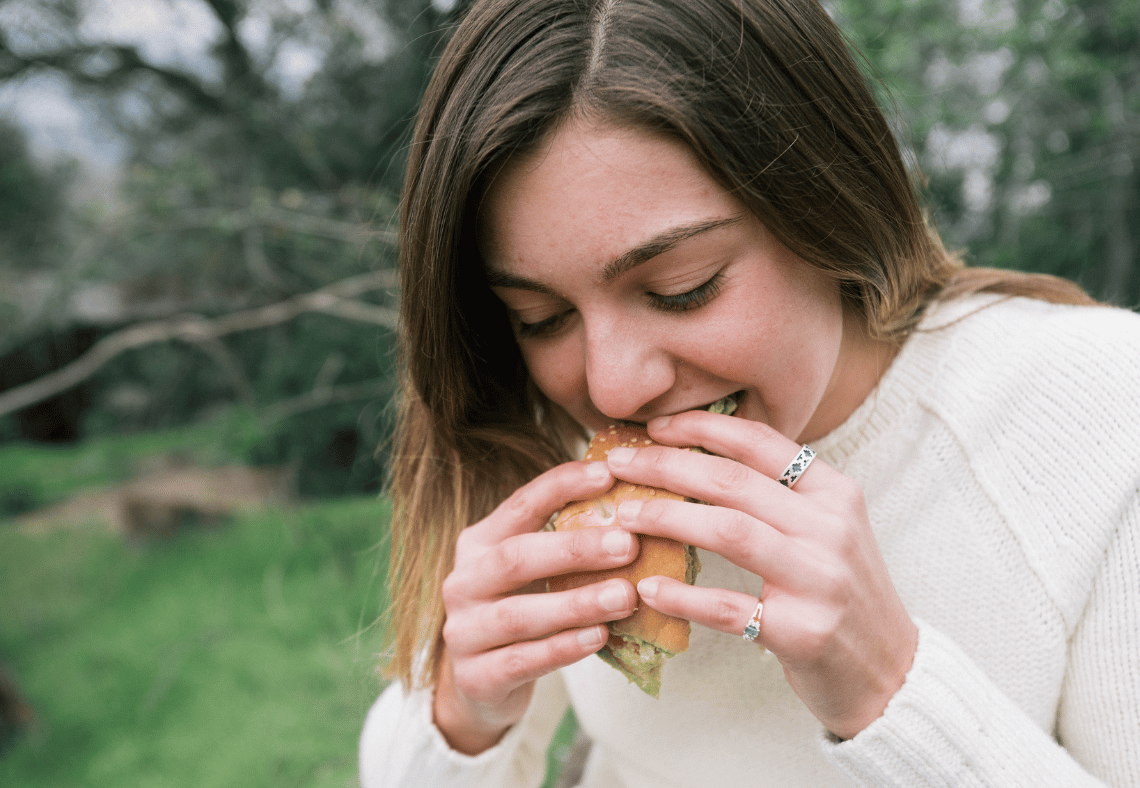
Why is Intuitive Eating for Teens Important?
The tween and teen years are filled with growth and development. It’s also when children start to be more influenced by the outside world. And while school, friends, and magazines may have been the primary influences “back in the day”, these days, social media has taken center stage.
You don’t have to search for content displaying the “perfect body” or the “ideal diet” on Instagram or TikTok–it pretty much appears on everyone’s feed! Needless to say, you need a strong sense of self and perhaps some elderly wisdom to not fall for everything you see.
So what’s a parent to do? How can we help teens stay or rebecome intuitive eaters? Well, since I’m guessing that moving to a remote location without wifi or “diet talk” isn’t feasible, I have outlined some more reasonable suggestions below!
13 Ways to Support Intuitive Eating for Your Teen
Here are 13 ways to help support intuitive eating for your teen.
1. Role Model a Healthy Relationship with Food and Your Body
Perhaps the best way to help your teen steer clear of diet culture is to role-model intuitive eating yourself. Now I realize this may be easier said than done, but know that it is possible. If you feel like you need help to break free from dieting, body image struggles, and the diet mentality, this is a great time to seek help from a therapist or Registered Dietitian who is a Certified Intuitive Eating Counselor.
I also want to acknowledge, as Sumner Brooks and Amee Severson emphasize in their book “How to Raise an Intuitive Eater”, that it’s ok to make mistakes. (2) No one is perfect, and your children need to learn this. By role modeling, you will show your kids that sometimes you make mistakes, and that’s okay. Speak to them candidly about food and bodies.
As a reminder, intuitive eating is about more than eating. It’s also about body respect, self-care, joyful movement, and emotional attunement.
2. Stock a Variety of Foods at Home
Yes, it’s great to stock your kitchen with nourishing, nutrient-dense foods, such as plain Greek yogurt, pumpkin seeds, apples, and roasted turkey. But be sure you also have some fun favorites–such as chips, chocolate, and ice cream. Letting your teen grow up in a house where no foods are off limits will help them develop a confident relationship with food. They will learn to see all foods as equal, to trust their body to tell them what and how much they need, and that you trust them.
3. Offer Regular Snacks and Meals
Offering regular snacks and meals for your teen is essential! While it may seem like they can figure some of this out on their own, they are still young and need your guidance and company. They may be out of the home for most of the day, but when they are home, enjoy a snack, fika, or meal with them. Other ideas include: offering breakfast foods they can choose from in the morning, helping them pack an afternoon snack, and stocking lunchbox foods they like.

4. Show Your Teen That Food is About More Than Nutrition
As a dietitian, I admit to getting excited about the nutritional properties of food. After all, it’s pretty amazing that we can get energy and nutrients from the food we eat. That said, I also love to remind my clients that food is about more than nutrition. For example, food is also about pleasure, culture, traditions, celebration, and satisfaction. There are so many reasons to enjoy food!
5. Encourage and Model Mindful Eating
Intuitive eating and mindful eating are different but similar. They support each other! Encourage your teen to be a more mindful eater by role-modeling this behavior yourself. Ways to be more mindful at meals include the following:
- Slowing down (getting calm and relaxed before eating)
- Sitting down (or mindfully standing for those who have been sitting all day)
- Savoring food using all the senses (smell, sight, taste, feel, sound)
- Screens aside (leave the TV off and put phones and laptops away)
It’s okay to remind your teen to slow down and chew their food and to ask them to put their screens away at meal times. That said, so too much “asking” is obviously “nagging”, so the primary focus here should be on role modeling. In addition, it’s unrealistic to think we will be mindful eaters at every meal — be careful not to make rules around eating, since this just reinforces diet culture.
6. Trust Your Teen to Know How Much to Eat*
Resist the urge to comment about how much or little your teen is eating. These types of comments are not helpful as they come across as nagging, and no one likes that. Moreover, they can lead your kids to trust you over their inner guide (which can take them away from intuitive eating). It could also lead them to feel guilty or ashamed if they sense you don’t approve of how much or how little they are eating.
If you have concerns that your teen doesn’t have a healthy relationship with food, plan to have a gentle, supportive conversation with them when it’s not meal or snack time. For information on signs of disordered eating, see this post.
As I’ve mentioned, we are all born intuitive eaters, and part of this includes trusting our inner guide to tell us how much to eat. Therefore, kids of all ages should be free to decide whether or not to eat and how much to eat. This aligns with the Division of Responsibility, a theory that applies to younger kids but remains relevant for teens at home.
*Note: The exception to this suggestion is if your child suffers from an eating disorder or other medical condition that requires support in this area. In this case, you should refer to the guidance of your healthcare team. Many people with eating disorders need guidance on when, what, and how much to eat in the early stages of their recovery.
8. Give Your Teens More Independence Around Food
In addition to trusting your kids to know how much to eat, trust them to know what to eat and when. As your teens become more independent in life, it makes sense that their eating will become more independent too. While you are still responsible for stocking the pantry and providing regular meals, trust that they can make their own snacks and meals, too. Likewise, give them the freedom to choose their meals outside of the home.

9. Speak About Food with Curiosity, not Criticism
Resist the urge to criticize–or even comment on–your teen’s food choices. So maybe they had pizza and ice cream before their soccer game and ended up with a stomachache. Chances are they will make this connection on their own and may even ask you for guidance. If you feel the need to comment, do so with curiosity and non-judgment. You can also offer neutral suggestions; for instance, for sports nutrition, you can print a list of pre-sport or post-workout snack ideas for them to review.
11. Practice Body Appreciation
Teach your child that bodies come in all shapes and sizes and that all bodies are good bodies. As always, actions speak louder than words. Role model body respect and provide them with unconditional love for their own body.
Teach them that body changes are normal throughout life, including during puberty. Explain that our bodies are wise and will thrive when treated kindly. Moreover, body size and shape are not something that we should try to change; instead, it’s better to focus on behaviors that we know will help us feel good, such as self-compassion, joyful movement, rest, and gentle nutrition.
Drive home the point about weight not being something that we should care about by getting rid of your scale, asking the doctor not to talk about weight or BMI, and not engaging in negative body talk.
12. Talk to Your Teen About Social Media
If your teen is on social media, talk to them about what they see and make sure they understand that much of it is not real. So many photos and videos featuring seemingly flawless bodies are edited, whether through filters or Photoshop. And many of the accounts that aren’t editing their photos are just showing the highlight reels of their life.
The same goes for accounts that show photos of “health food” or promote a diet or exercise program; these are usually trying to sell something and often represent an unrealistic way of living wrapped up in diet culture. Whether they are scrolling through images and videos of bodies, food, or fitness, ask them to pay attention to how they feel before, during, and after using social media.
13. Teach Your Teen About Diet Culture
According to Alissa Rumsey, a Registered Dietitian and author of Unapologetic Eating, diet culture is a system of beliefs in Western culture that equates thinness to health, happiness, attractiveness, and worthiness. (3)
Diet culture is the reason we have to learn about intuitive eating. Without diet culture, intuitive eating would just be eating! So learn about diet culture. Then teach your kids about diet culture.
More advanced discussions related to diet culture include HAES (Health at Every Size), the Social Determinants of Health, weight stigma, and the sexist and racist roots of this modern norm.
Intuitive Eating for Teens: Key Points
Examine your relationship with food. If you think it needs help, seek out a Certified Intuitive Eating Counselor. How you feel about food and your body can affect what you say, think, or do around your children. Role modeling intuitive eating is one of the most effective ways to promote it among teens. Being honest with your kids about your struggles is also important.
In addition, teach your kids about diet culture and talk to them about social media. They need to know that all bodies are good bodies and that food is about more than nutrition.
Stock your house with a variety of food and offer regular meals and snacks. But also be sure to give your teen independence around food and trust them. Resist the urge to comment on their eating, but don’t wait to seek help if you think they may have an eating disorder.
If you think your teen could use support or guidance with their eating, consider reaching out to a Registered Dietitian who works with teens and takes a non-diet, intuitive-eating approach. If you think your teen has an eating disorder, seek help from your physician or use the Alliance for Eating Disorders Helpline.
Resources
Disclosure: Some of the links below are Amazon affiliate links. This means that at no additional cost to you, if you click through and make a purchase, I will earn a commission.
Other Posts You Might Like:
- Nourished Eating for Teens – A Visual Approach
- How to Stay Well in College and Beyond
- National Eating Disorders Awareness Week and College Students
- Discover the Joy of Intuitive Eating
- Health Benefits of Intuitive Eating
- 10 Non-Diet Books That Inspire
- How to Create Satisfying Snacks
- How Much Protein Do Teens Need?
- Post-workout Snacks for Teens and Tweens
- Nutrition for High School and College Athletes
Books
- How to Raise an Intuitive Eater by Amee Severson and Sumner Brooks
- Food Positivity by Diana Rice and Dani Lebovitz
- Intuitive Eating by Evelyn Tribole and Elyse Resch
- Unapologetic Eating by Alissa Rumsey
- The Body Image Workbook by Thomas Cash
- The Intuitive Eating Workbook for Teens by Elyse Resch
National Alliance for Eating Disorders
- Call or text: 1-866-662-1235
- More details: https://www.allianceforeatingdisorders.com/
References
(1) http://www.intuitiveeating.org/definition-of-intuitive-eating/
(2) How to Raise an Intuitive Eater. Copyright 2022 by Amee Severson and Sumner Brooks
(3) https://alissarumsey.com/what-is-diet-culture/
About the Author:
This article was written by Maria Adams, MS, MPH, RDN, LDN, a registered dietitian and Certified Intuitive Eating Counselor. Maria takes a weight-inclusive approach, helping individuals rediscover the joy of food, eat to feel their best, and heal from chronic dieting and disordered eating. She holds a Bachelor of Science Degree in Nutrition Science, a Master of Science in Nutrition Communication, and a Master of Public Health.


Leave a Reply